Colorectal Cancer Awareness Month
What Is Colorectal Cancer?
Colorectal cancer begins in the colon or rectum and often develops quietly over time. In many cases, it starts as small growths called polyps on the inner lining of the colon or rectum. These polyps don’t usually cause symptoms at first, but some can slowly turn into cancer if they are not found and removed early. That is why screening is so important!
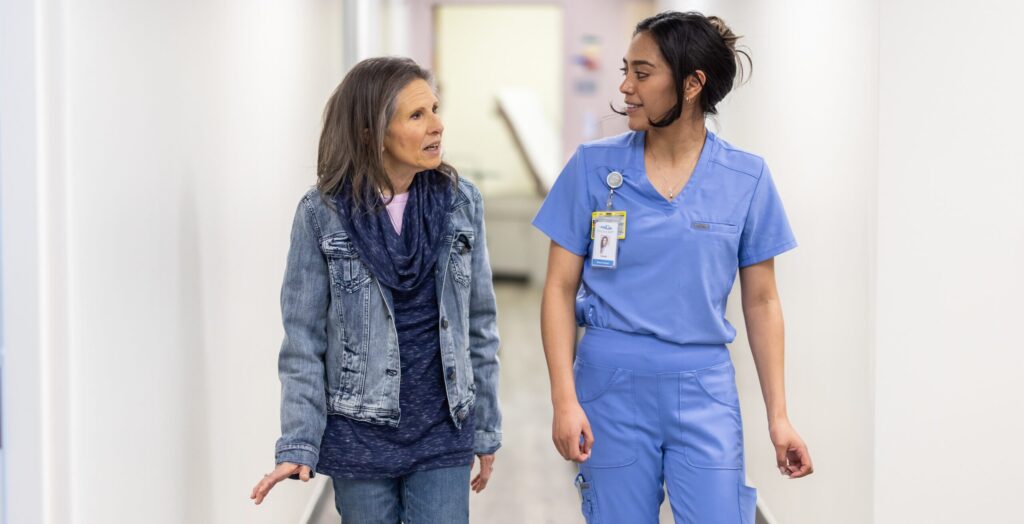
For adults age 45 and older, colorectal cancer screenings are one of the most powerful tools for prevention. Screenings allow doctors to find and remove polyps before they become cancer, and to detect cancer early- when it is most treatable. Increased colorectal cancer screenings have led to the death rate from colorectal cancer to decline in both men and women.
Elevated Community Health helps connect patients to three screening options: colonoscopy, Cologuard, and FIT tests. Screening is recommended for all adults over 45, even if you feel healthy and have no symptoms. Getting screened doesn’t mean your doctor thinks you have cancer- it means they want to help prevent it. If a screening result is abnormal, your doctor will guide you through the next steps and any follow-up testing needed. Screening can stop colorectal cancer before it starts- and that can save your life!
Elevated Perspective
“Every provider at ECH genuinely cares about preventive medicine and supporting our patients in their lifelong health journey! I love talking to patients about ways they can reduce their cancer risk; colorectal cancer screenings being just one of them. Colorectal cancer can be detected early or prevented with regular screenings. We offer the range between yearly stool FIT tests, every 3-year stool testing with the Cologard and colonoscopy referrals. Schedule your annual wellness exam and let’s talk about it!”
– Megan Wood, PA-C, MPH, Primary Care Provider at Elevated Community Health
Signs, Prevention, or What to Watch For
Myths vs. Facts
| Myth | Fact |
| Colorectal cancer is rare. | Colorectal cancer is the 2nd leading cause of cancer related death in men and women. Approximately 1 in 25 women will have colorectal cancer, and 1 in 23 men will have colorectal cancer. |
| Colorectal cancer only happens if you are old. | The rate of colorectal cancer is increasing in people under 50. In people over 65, the diagnosis rates have been decreasing, most likely due to colorectal cancer screening. |
| Colorectal cancer screening cannot prevent cancer. | Colorectal cancer screenings can not only detect screening, but also prevent cancer from developing. Screenings can detect polyps before they become cancerous. |
| Family history is the only risk factor for colorectal cancer. | While family history of colorectal cancer is considered a risk factor for colorectal cancer, obesity, inflammatory bowel disease, drinking alcohol, and smoking cigarettes are considered risk factors to developing colorectal cancer as well. |
There are more colorectal cancer screening options than ever. Our team is here to help you choose the preventive screening that’s right for you. Call (970) 668-4040 to schedule with your primary care provider today.
Trusted Resources
American Cancer Society: What Is Colorectal Cancer? | How Does Colorectal Cancer Start? | American Cancer Society
National Cancer Institute: Colorectal Cancer—Patient Version – NCI